Let’s set the scene. It’s 9 p.m. You’ve earned this. You burrow into the blankets,…
Read More →
Let’s set the scene. It’s 9 p.m. You’ve earned this. You burrow into the blankets,…
Read More →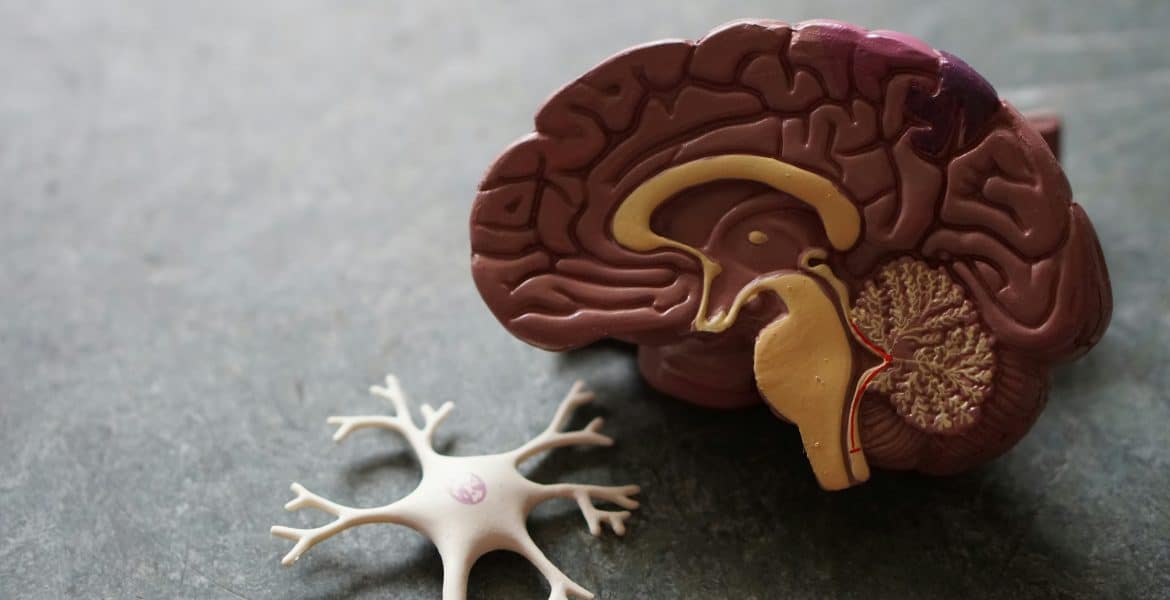
Most people associate dementia with its most visible symptoms: a loved one forgetting familiar faces,…
Read More →
Every spring, millions of people wage the same losing battle: watery eyes, relentless sneezing, a…
Read More →
We’ve all heard the advice to “drink more water.” But what does the research actually…
Read More →
Mindfulness, the practice of intentionally focusing on the present moment without judgment, has transitioned from…
Read More →
Cardiovascular disease (CVD) remains the leading cause of death in the United States, accounting for…
Read More →
Introduction In a world where most of our waking hours are spent seated, from office…
Read More →
Abstract Mwarobaini—the Swahili name for the neem tree (Azadirachta indica) is widely used across East…
Read More →
Introduction Intermittent fasting (IF) has become one of the most popular dietary trends in recent…
Read More →
Recently, I went on a mission trip to the Masai tribe in Kenya. I thought that we would be teaching them, what with our advanced Western technology and medical knowledge, but they…

In a recently published article in Nature magazine, researchers used smart phone data to track the activity of 717,527 people over the course of 68 million days in 111 countries. Some of their findings made…

It’s mid-January and you’re likely in the “dwindling” phase of the new year. The holidays have died down, you’re back in the throes of a busy work schedule, and the weather is…

Most people equate calcium with milk. While milk does contain calcium, there are many people who wish to avoid milk products for other health reasons. Are there any sources of calcium for…

Is there a relationship between our planet’s health and our dietary choices? If so, the question begs—how, and what is our role? Can we make different food choices, improve agricultural production, and…

Show up on Friday at noon with a knife, apron, and closed-toed shoes. These were my instructions should I choose to accept them. Well, of course I did and so the next…

Falafel is a highly appreciated dish in the Middle East. It’s typically made of chickpea or bean balls or croquettes that are fried and served with tahini sauce, hummus or pita bread. For a healthier version, this falafel is baked instead fried, and has green leafy vegetables for more nutrition.

This is the perfect light mayo for all your mayo needs! It’s much healthier than real mayo but doesn’t lack in texture and flavor. The key to making plant-based mayo is the aquafaba liquid. The liquid comes from a can of cooked chickpeas or, alternatively, the leftover water from cooking your own chickpeas. This is a fun recipe to make, fast and easy, and a wonderful alternative to mayo with eggs. No one will know that you didn’t use eggs in this recipe… that is of course unless you tell them!

It is very common in Latin American cuisine to use the famous “bouillon cubes” or “powdered consommé”, either flavored with chicken, beef or tomato. Unfortunately, these products can have a very high sodium level, in addition to other chemical ingredients that could be harmful to health. This recipe provides a healthy alternative for these products, which can be used to give a good flavor to any dish.

Perhaps the most traditional dish in El Salvador, pupusas have reached international popularity. They are usually filled with cheese, pork rinds or refried beans and served with tanned cabbage and tomato sauce. For this healthy version we use vegan cheese to reduce both the amount of calories and saturated fat, although they can also be filled with red or black “flipped” beans, which can be prepared without fat.


